

The Schools White Paper, Every Child Achieving and Thriving, sets a clear direction:
- Inclusion must be consistent
- Support must happen earlier
- Curriculum must be broader
- Families must feel engaged rather than shut out
The ideas are not new. The difference is the level of expectation around visibility and consistency. Schools and trusts will increasingly need to show how practice works in classrooms and how consistently it is applied across year groups and settings.
The scale of ambition is significant. The government is targeting 75% of children reaching a good level of development in Reception and 90% meeting the expected standard in the Year 1 Phonics Screening Check. At Key Stage 2, outcomes are expected to reach their highest levels since current assessments began.
For trusts and primary leaders, that raises a practical question: how do we evidence impact without building another layer of reporting?
This is less about adopting something new and more about strengthening the infrastructure underneath everyday practice.
A broader curriculum made visible
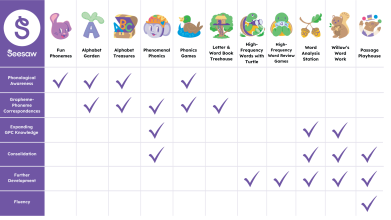
The move from narrow to broad places renewed weight on curriculum richness alongside strong foundations in reading, writing and maths. Enrichment is positioned as an entitlement, not a bonus and progress measures will evolve to reflect breadth.
For primary schools, that means being able to see how curriculum intent translates into pupil work over time. For trusts, it means understanding whether that implementation is coherent across schools.
In Seesaw, pupil work sits within structured activities linked to objectives and curriculum statements. Teachers can tag work to skills and leaders can filter by subject or year group whilst trust teams can review patterns across settings without requesting additional reports. That way, curriculum implementation becomes visible rather than anecdotal.
Individual Support Plans and inclusive mainstream
The White Paper reinforces that most additional needs should be met within mainstream classrooms, backed by £1.6 billion for inclusive mainstream provision and £1.8 billion for expanded multi-agency support. EHCPs will remain for pupils with the most complex needs. For many others, Individual Support Plans are expected to formalise how needs are identified, recorded and reviewed within mainstream settings.
More pupils are therefore likely to sit within structured support plans that require clearer documentation of classroom provision and progress over time.
Most teachers already hold that evidence in pupil work, feedback and day-to-day adjustments. The challenge is that it often lives in different places.
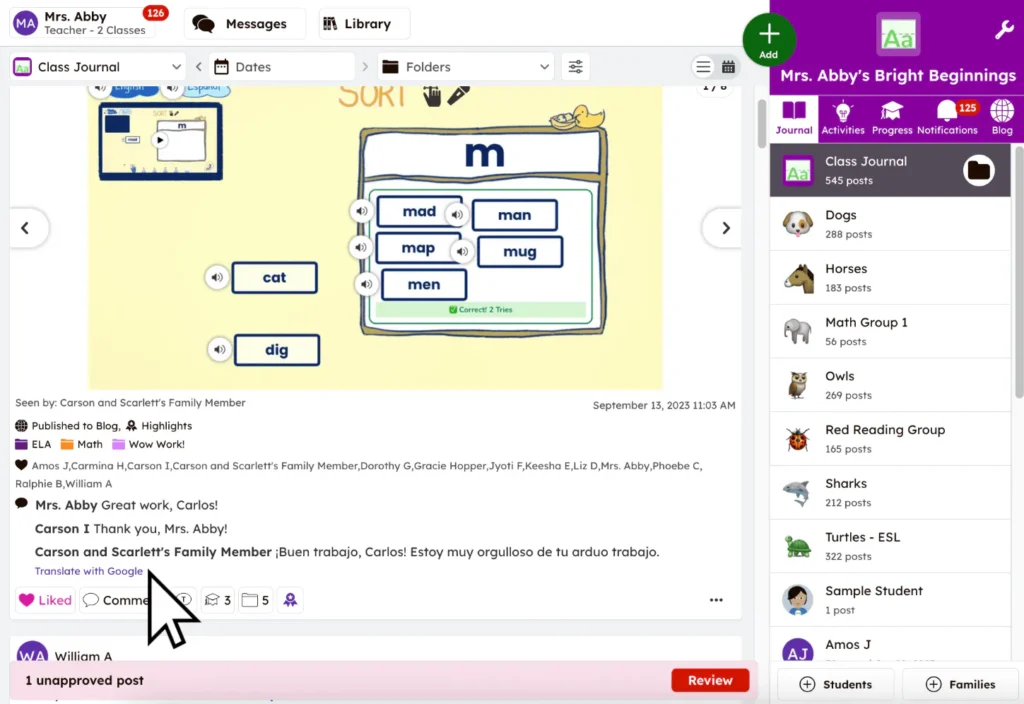
In Seesaw, pupil responses, feedback and follow-up sit in a single chronological journal. Adjustments remain attached to the original work, whether written, spoken or recorded. At review points, leaders and SENCOs can see progress over time without reconstructing it.
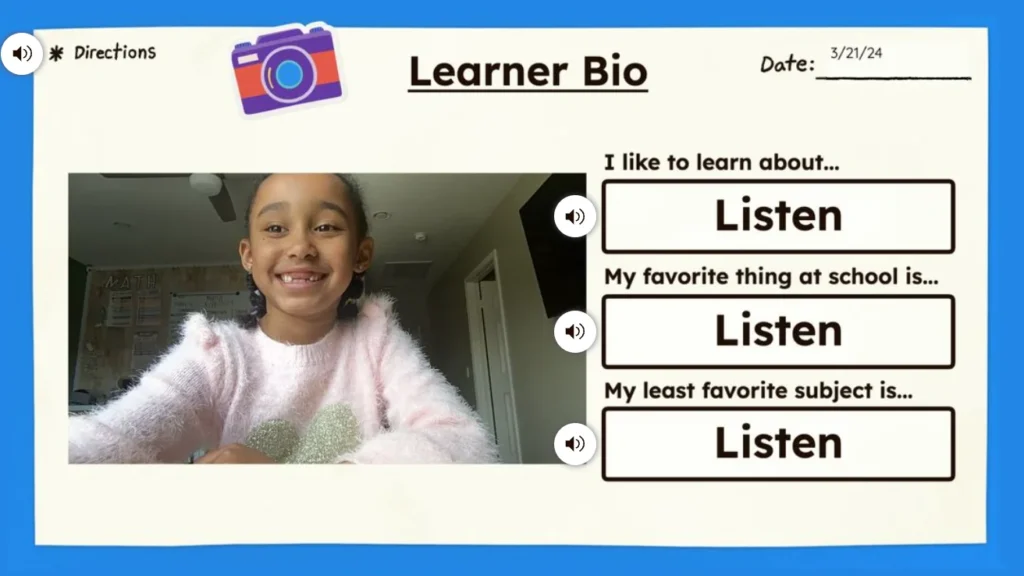
Inclusion also depends on access. Seesaw’s multimodal tools allow pupils to respond through voice, drawing, typing or video. The learning objective remains consistent, but pupils have choice in how they demonstrate understanding. That flexibility supports inclusive mainstream teaching without fragmenting the curriculum.

Earlier identification, without additional systems
Earlier intervention is central to the reform agenda. That only works if formative assessment is embedded in normal teaching.
Seesaw AI supports teachers to generate quick checks for understanding, convert existing resources into interactive activities and analyse reading fluency more efficiently. Because those tools sit within the same platform used for daily teaching and portfolios, insight connects directly to pupil work rather than existing in isolation.
The purpose is not to generate more data but to surface patterns sooner and make intervention realistic, without increasing workload.
Attendance, belonging and engagement
The White Paper sets an ambition for attendance to rise above 94%, equating to 20 million additional days in school each year. It also signals stronger monitoring of pupil belonging, with every school expected to track engagement over time.
Primary schools know that attendance and belonging are closely linked to whether pupils feel seen and understood.
When pupils have ownership over how they present their thinking and families can see classroom learning in context, conversations shift. Seesaw allows families to view their child’s work, hear explanations in their own voice and communicate through secure two-way messaging, with automatic translation in over 100 languages. Engagement becomes visible beyond the classroom walls and everyone is engaged in the learning loop.

Trust-level consistency
The White Paper confirms that collaboration and trust-level oversight will become central to the reform, with clearer roles for trusts and stronger accountability frameworks. Trust leaders will need to see curriculum delivery, inclusion and engagement across settings without creating parallel reporting structures.
Seesaw provides central visibility where trust teams can review curriculum tags, engagement data and examples of pupil work across schools, with permissions set to protect classroom autonomy. Shared insight supports professional dialogue and system-led improvement without additional paperwork.
Consistency is built through access, not extra forms.
Preparing now
Full implementation will be phased over several years, but the direction is clear. Standards and inclusion are positioned as two sides of the same coin. Impact will need to be demonstrable and collaboration will need to be real.
For trusts, this is the moment to review whether inclusive practice, curriculum delivery and evidence gathering are consistent and accessible at leadership level.
For headteachers, it is an opportunity to look at how formative assessment is embedded, how support is documented and how families experience communication.
Infrastructure that connects teaching, evidence and communication will matter more over time, not less.
Seesaw brings those elements together so evidence builds through everyday classroom practice and remains accessible when needed. If you would like to explore how that groundwork could look in your school or trust, speak to a Seesaw Expert.