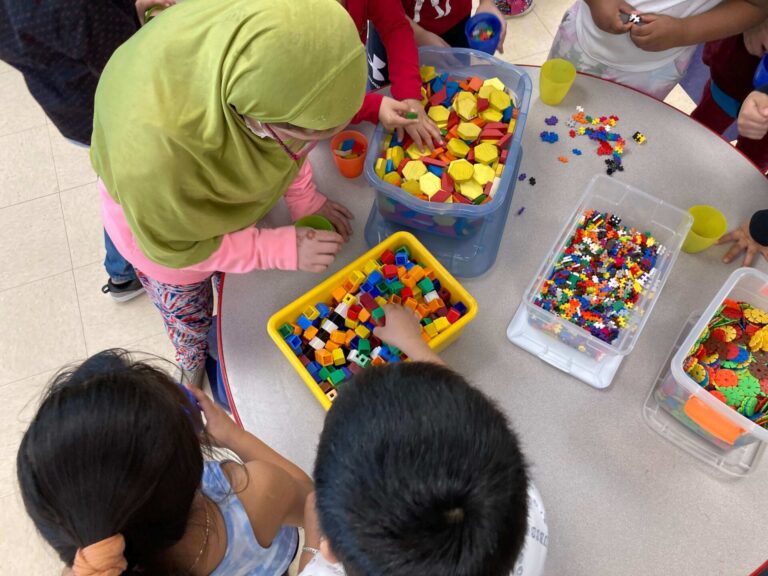
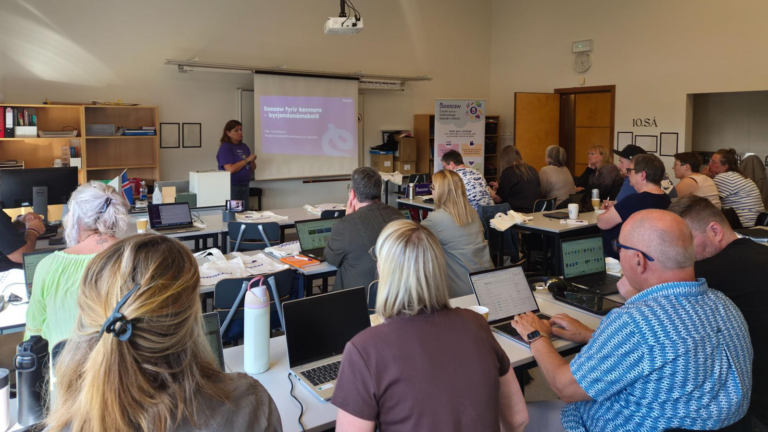
In my kindergarten classroom, learning was always hands-on: pattern blocks, playdough, finger puppets and picture books were daily staples. When digital devices entered early childhood, I didn’t see them as a substitute for play, but as a bridge. Technology isn’t here to take the place of physical exploration; it gives us an empowering new way for young learners to document their thinking, share their play-based discoveries, and make their creative processes visible to others.
Now, as an Instructional Technology Coach supporting teachers across grades PK-3, I share that same perspective with teachers and students every day.
Traci Piltz | Seesaw Certified Educator
Former Kindergarten Teacher & Current Instructional Technology Coach
Effective digital learning isn’t about keeping students glued to a screen for unlimited minutes of passive consumption. In fact, some of the most powerful digital learning happens when technology is used for a few brief, intentional minutes. By framing Seesaw as a tool to capture hands-on learning rather than replace it, we can align our instruction with research-backed early childhood practices while preserving a low-screen-time environment.

When evaluating technology in early childhood education, I always point teachers to the joint position statement from NAEYC (National Association for the Education of Young Children) and the Fred Rogers Institute. Their research highlights several key principles that shape how we should approach screens:
- Active vs. Passive Use: Technology should be active, hands-on, engaging, and empowering—giving the child control and sparking curiosity rather than encouraging passive viewing or drill-and-practice consumption.
- Co-Use & Social Interaction: Research emphasizes that technology is most effective when adults and peers co-use, interact, or co-view with young children. Learning is inherently relational, and screen tools should facilitate human connection, conversation, and collaboration—never replace it.
- Visible learning over time: Recorded reflections and digital portfolios allow students and educators to revisit progress.
- Intentional Media Mentorship: As Fred Rogers famously demonstrated through thoughtful media design, technology should foster a child’s capacity to look and listen carefully, encourage play, and build relationships. Teachers act as “media mentors,” guiding students to use digital tools with clear purpose.
Using Seesaw to document offline, tactile work puts these exact principles into practice. So, what does this look like?
I recently visited a 2nd-grade classroom and was inspired by how seamlessly the teacher blended hands-on exploration with digital learning. She started with a 10-minute whole-group mini-lesson at the carpet to anchor the concept, then transitioned students to small groups to practice with physical manipulatives and talk through strategies together.
After 30 minutes of partner work, the students debriefed, then spent 5 minutes using Seesaw to snap photos of their creations and record their voices to explain their thinking. Devices were tucked away in less than a minute, and everyone gathered back at the carpet for a final reflection and exit ticket.

That’s the magic – just 5 minutes of active, creative tech use fundamentally deepens the learning process. When students pause to explain how they solved a problem out loud, they shift from simply doing an activity to actively analyzing their own thinking. This quick act of reflection builds metacognition, solidifies conceptual understanding, and gives young learners a profound sense of pride and agency as they share their discoveries with their teacher, peers, and families.
Here are a few other powerful ways I’ve seen teachers leverage Seesaw for low screen time with maximum impact:
- Co-Use with Shared Devices: Using shared tablets naturally encourages students to take turns, communicate, and collaborate as they document their work together.
- Multimodal Capture & Explanation: Students use the camera to snap physical creations, then immediately tap the microphone to explain their thinking behind the design.
- Authentic Demonstration of Growth: Creative tools like drawing, recording, and quick annotations give students open-ended pathways to express what they know in ways that feel natural to them.

Rather than a passive screen, intentional technology use acts as a mirror for genuine student learning. With Seesaw, educators never have to choose between hands-on play and digital portfolios—it seamlessly bridges the two.