
Across the U.S., conversations around screen time in elementary classrooms are gaining momentum. In several states and districts, leaders are beginning to re-evaluate how and when technology is used in K–5 instruction. At a glance, this can look like a shift away from classroom technology, but in reality, something more nuanced is happening.
The Conversation about Technology
District leaders are not broadly moving to eliminate digital tools from the classroom. In fact, core priorities remain unchanged:
- Visibility into student learning
- Consistency across classrooms and schools
- Strong communication with families
If anything, these expectations have increased in recent years.
The Shift in How Technology is Used
The emerging distinction is not between “technology” and “no technology.” It is between different types of screen use:
Passive Screen Time

- Digital busywork instead of critical thinking
- Consuming videos instead of authentic classroom engagement
- Independent device use instead of collaborative learning
Active Learning

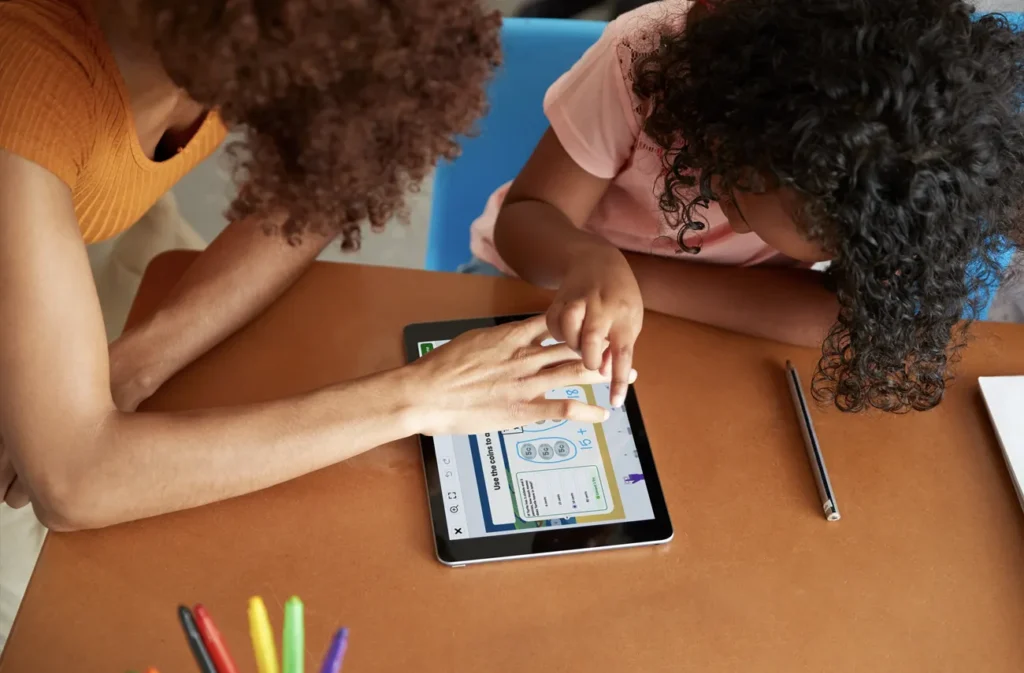
- Students externalize thinking: voice, drawing, recording
- Teachers guide instruction in real-time
- Educators and families engage in student’s learning: view, comment, celebrate
The concern is not screen time as a whole, so much as the overuse of passive, low-impact activities.
Why the Conversation is Accelerating
Several factors are driving increased attention to screen use in elementary settings:
- Post-pandemic reflection: Schools are reassessing which practices from remote and hybrid learning should continue and which should not
- Renewed focus on early literacy and foundational skills: Instructional quality in K–5 is under increased scrutiny
- Variability across classrooms: District leaders are seeing wide differences in how technology is implemented
- Operational complexity: An expanding set of tools can lead to fragmentation rather than clarity
What Schools are Trying to Solve
When districts raise concerns about screen time, the underlying challenges are often:
- Over-reliance on passive digital activities
- Limited visibility into classroom-level usage
- Too many disconnected tools and platforms
- Inconsistent instructional experiences for students
This is less about limiting minutes and more about improving outcomes.
What's Beginning To Change
In districts that are actively addressing this, a few patterns are emerging:
- A move toward fewer, more intentional tools
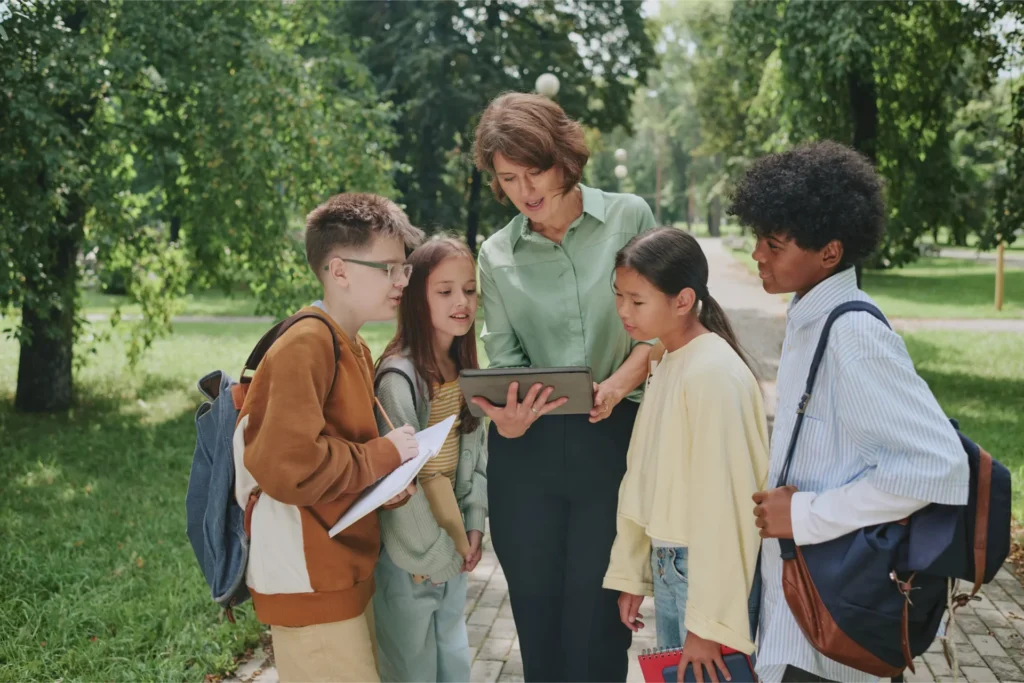
- Increased emphasis on student creation and interaction
- Clearer expectations for classroom technology use
- A focus on maintaining visibility without increasing overall screen exposure
These shifts reflect a broader effort to align technology use with instructional priorities.
The Question for District Leaders
The conversation around screen time in elementary education is still evolving. Most districts are not implementing strict limits or mandates. However, expectations are changing and becoming more defined. The focus is shifting from access to technology toward effective use of technology. As priorities continue to evolve, one question is becoming increasingly central: where is technology actively supporting instruction and where is it replacing it?
How districts answer that question will shape the next phase of classroom technology use.
Continuing the Conversation
Seesaw is always evolving to meet teacher and school needs as policies and classroom expectations change. We will continue to share what we are seeing across districts, including how schools are adjusting their approach to maintain instructional quality while being more intentional with technology use.